我的書法
我的書法
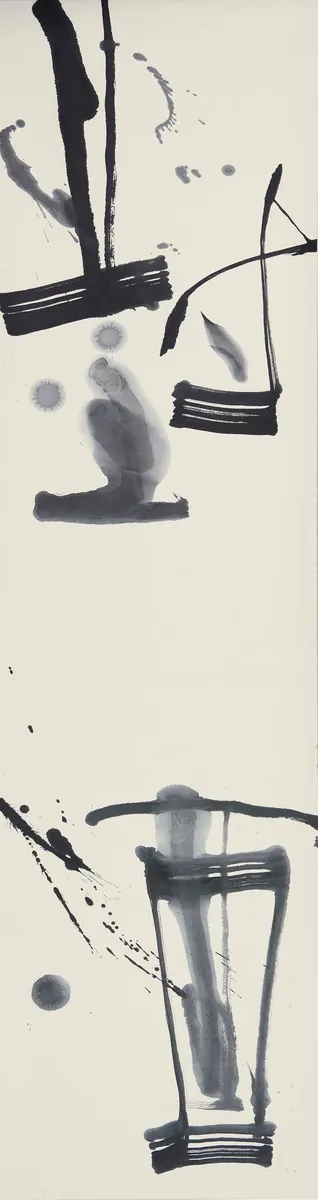
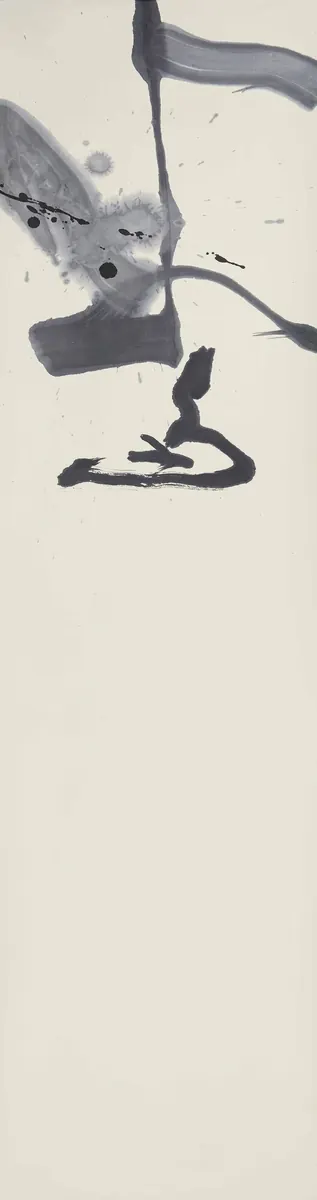
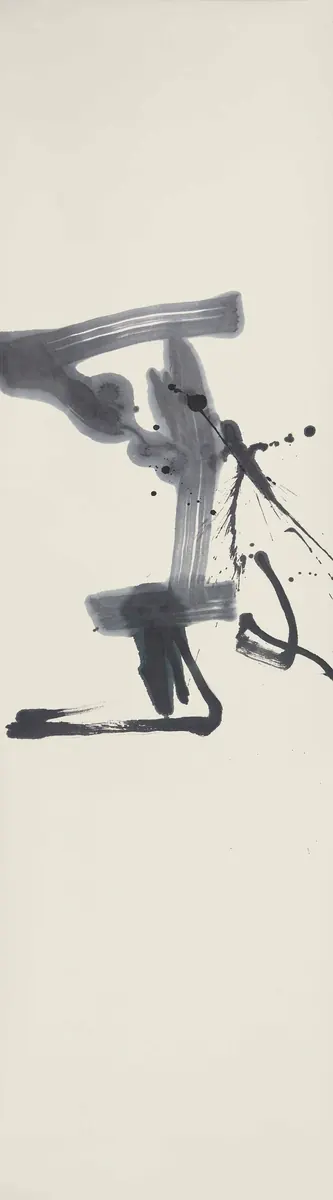
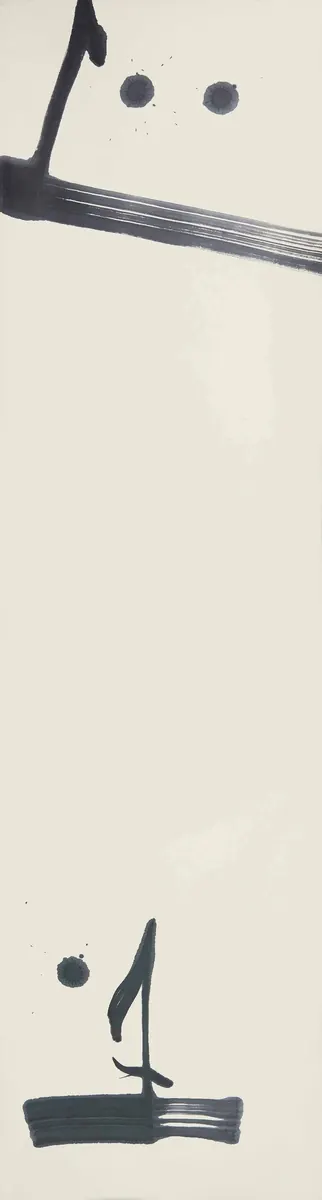
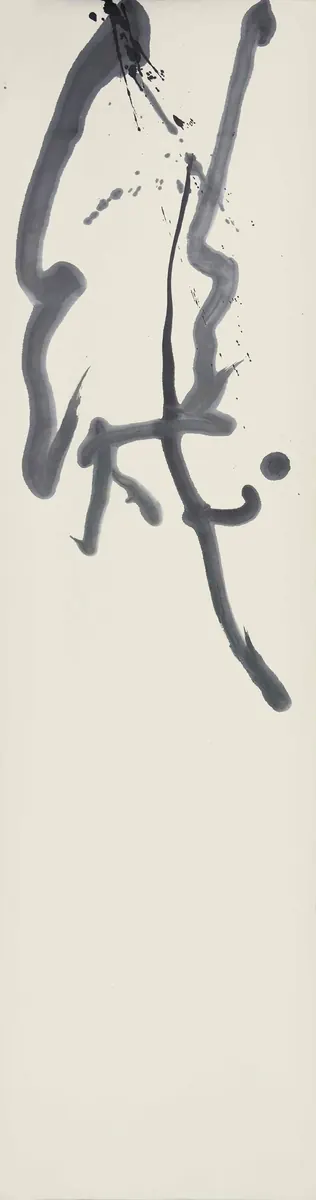
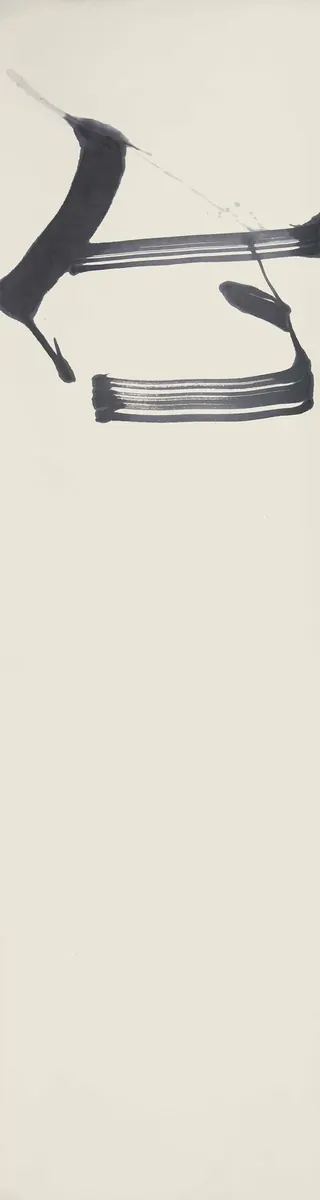
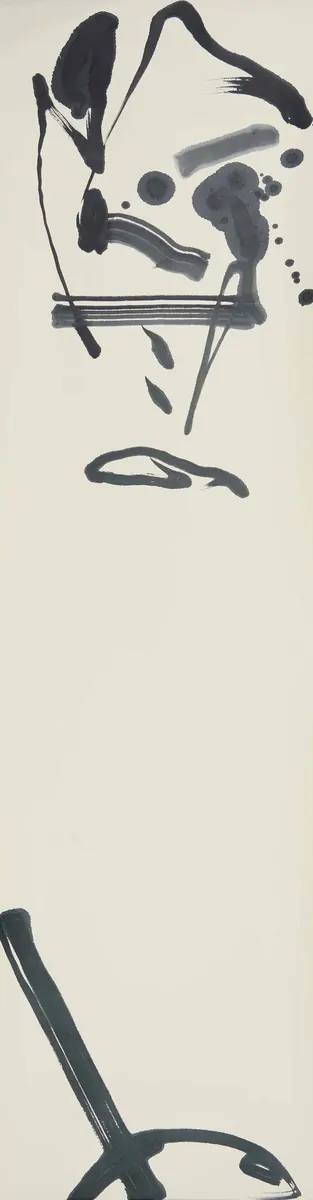
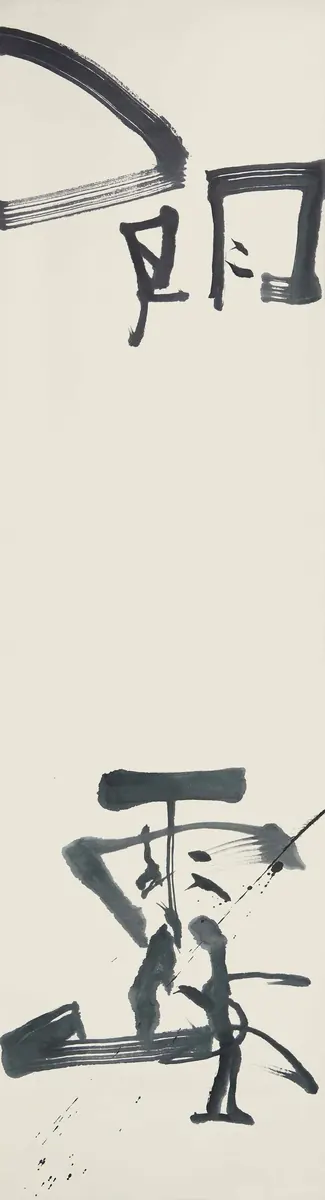
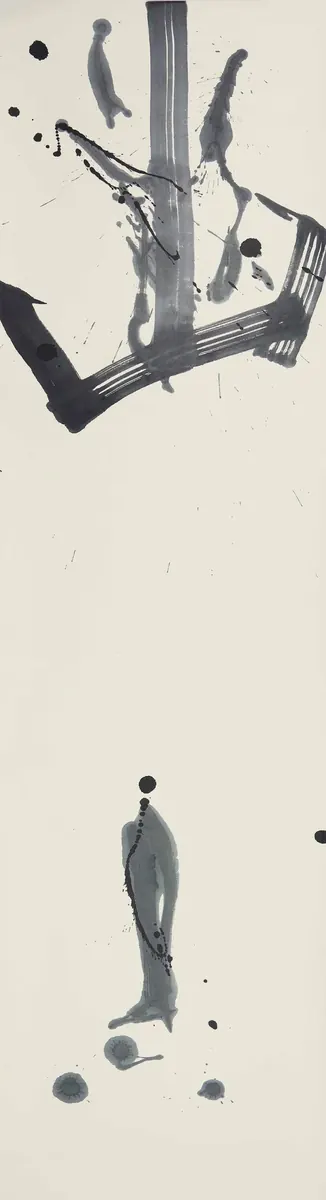
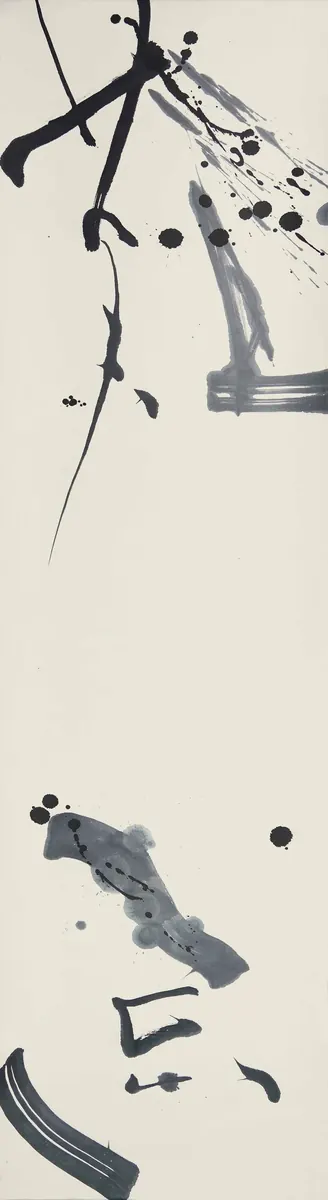
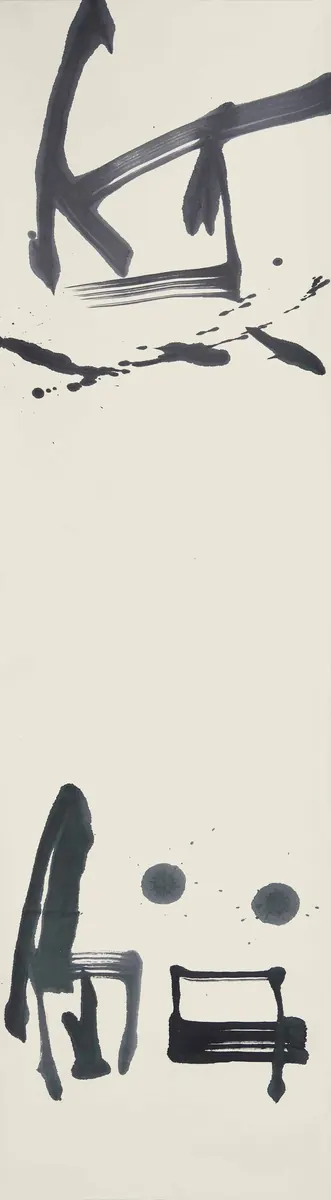
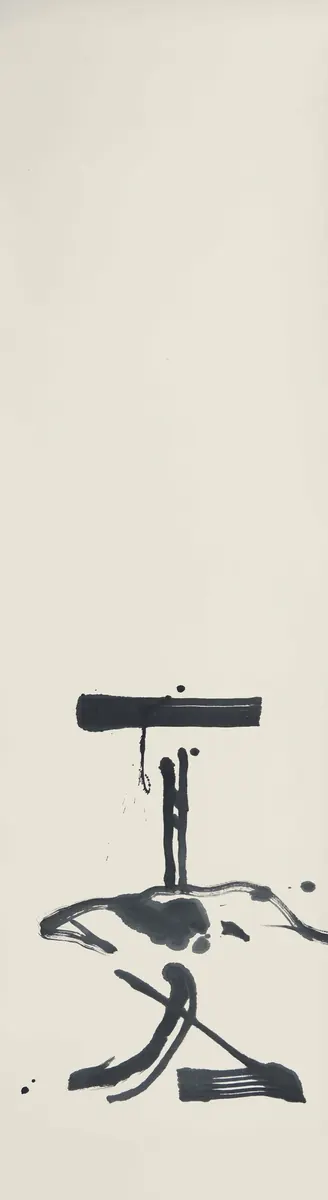
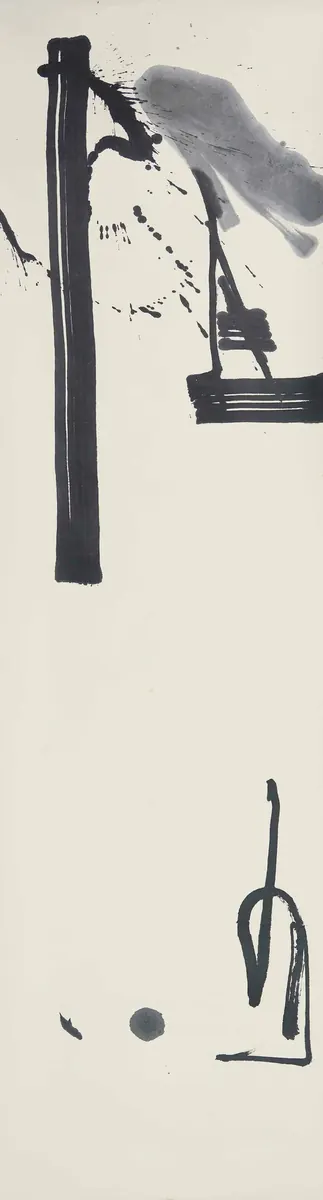
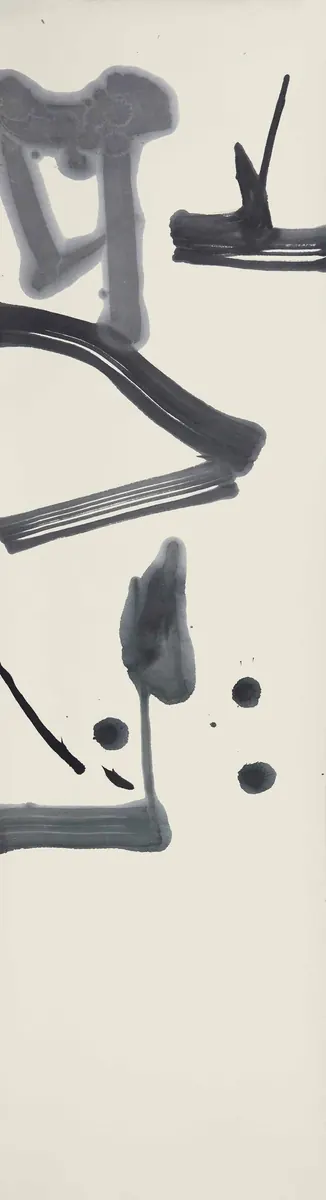
幾十年前,人家稱我的書法爲「前衛書法」。我不懂什麼叫前衛,但是我可以稱自己的書法爲「現代書法」。書法是一種古典藝術,它包含着一種非常嚴厲的自律精神與訓練,就好像古典芭蕾一樣。我有一個意圖與想法,即把自由的精神,也就是現代人的精神,融合到書法上面。所以我把很多現代藝術的觀念,比如說平面設計的觀念、色彩的觀念、電影剪輯的觀念,投射到這種古典的藝術上,希望它能出現一種新的變化,呈現出一種新的面貌,就好像芭蕾舞變成了現代芭蕾舞,歌劇變成了音樂劇。但是,我的做法一方面引起了傳統書法界的攻擊;另一方面,由於現代藝術界對書法的不甚了解,漠視書法在現代藝術中應有的地位,使其對我的工作采取了一種模糊的態度,是我以爲極大的遺憾。
其實,中國最有代表性的藝術就是書法。從蘇州的虎丘到拙政園,包括木雕與碑刻,可能超過了一千幅。故宮的三希堂裏,存放着乾隆皇帝認爲世上最稀有的三件寶貝,都是書法作品。相傳唐朝皇帝要陪葬的就是王羲之的蘭亭,也是書法作品。在中國,不管是過去還是現在,所有人都要學書法。從傳統上來說,學習的第一天,也就是學習書法的第一天。而在今天,書法不再普及的原因,基本上是因爲十九世紀末中國國力衰弱,所有中國人都去學習西方文化,以爲所有中國文化都是迂腐的、落后的。尤其是書法,不但被認爲是沒用的,還被認爲妨礙了學習。其實,這個觀念是十分錯誤的。中國近代史上所有偉大的藝術,無一例外,學習西方藝術的,最終都要轉回到中國藝術上來,包括徐悲鴻、劉海粟和林風眠,他們通過對西方藝術的學習,然後經過比較,最終還是發現,中國藝術的概念是比西方的博大和精深的,也比較先進和優越。其中,書法是最能體現中國人對生命,對自然,對內心的一種自我的傳情達意的方法。西方人無法想像,中國幾千年以前就已經出現了一種即興半即興、抽象又具象的這樣一種具備表演性的造型藝術。可幸的是,我的作品普遍受到群眾的喜愛,這是我能引以爲幸的,我要衷心的感謝多年來對我支持的所有朋友。
My Shu Fa
Decades ago, my calligraphy was said to be 'avant-garde'. I do not understand what 'avant-garde' is; instead I like to call my work 'contemporary Shu Fa'. Like ballet, Chinese calligraphy is a classical art; it demands discipline and practice. In contrast, contemporary art emphasizes on free form and spontaneity. So, in my work, I intend to blend discipline with freedom. I use many visual art concepts, for example from the fields of graphic design, colour, and film, and incorporate them into the classical art of calligraphy. I wish to make a change, to express a new phase in calligraphy, similar to the change in ballet from classical to modern, and in music from opera to musicals.
However, my way of doing it has brought a mixed reaction. Some classical calligraphers think that I abandon the good old tradition, and attack it. Mostly, modern art circle don't know quite what to think of my work, as they don't understand calligraphy and don't see the importance of Chinese calligraphy in modern art or the modern world.
In fact, I believe calligraphy is the most representative form of Chinese art in history. As to how popular Chinese calligraphy is, in Suzhou (蘇州, the largest city in the world in the 15th and 16th centuries), between 'the Humble Offical Garden' (拙政園) and 'Tiger Hill' (虎丘), there are over one thousand pieces of wooden and stone steles (with engraved calligraphy). 'Sanxitang' (三希堂) of the Imperial Palace, known as the Forbidden City, in Beijing keeps three art treasures that were regarded by the famous Emperor in 'Qing' Dynasty, 'Qianlong' (乾隆, 1711-99) as the most precious in the world and they are calligraphy. Legend says that the famous 'Lanting' (蘭亭), a piece of calligraphy in Running Script brushed by the famous calligrapher, 'Wang Xizhi' (王羲之), was kept in the tomb of the famous Emperor 'Taizong' of the Tang Dynasty (唐太宗).
In China, both the past and present, every person learns calligraphy. As a tradition, the first day of learning is also the first day of using the brush in writing. However, calligraphy nowadays is becoming less popular, mainly due to changes in people's attitude and thinking since the 19th century. Since the upsurge of Western economic power over the last 150 years, all aspects of Chinese culture have been regarded by the Chinese as outdated and backward. Chinese people wanted to understand more about Western culture and considered calligraphy not only useless but also a hindrance in learning.
Even so, those Chinese who had thorough knowledge of and were good at Western art realized and appreciated the tremendous breadth and depth of Chinese art. Hence, we saw famous Chinese painters, such as 'Xu Bei Hong' (徐悲鴻), 'Liu Hai Su' (劉海粟) and 'Lin Feng Mian' (林風眠) who learned Western art, came back to work on Chinese art. Among the Chinese arts, calligraphy is the best for expressing one's 'qing' and 'yi', for expressing one's inner self, and one's attitude towards nature and life. It is hard for foreigners to believe that, over several thousand years ago, an art form that is both impulsive and disciplined, abstract and yet concrete, already existed in China.
Luckily, the general public as a whole loves my calligraphy. I must sincerely thank all my friends who have been supporting me through so many years.
2020


200×500cm

200×500cm

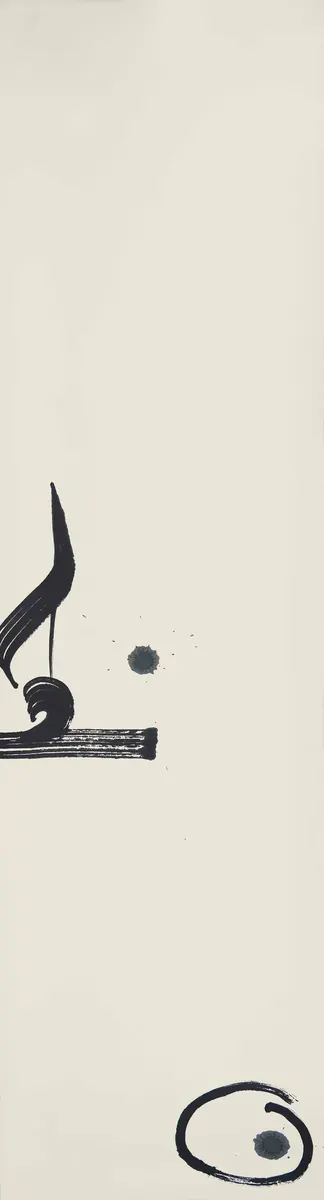
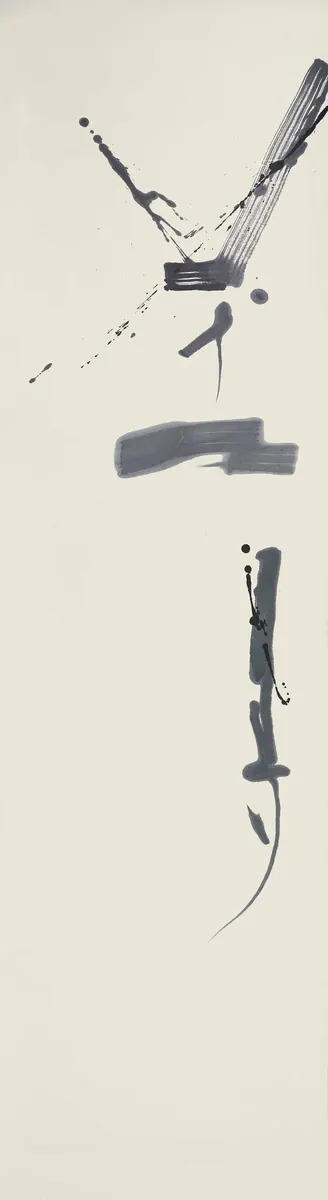
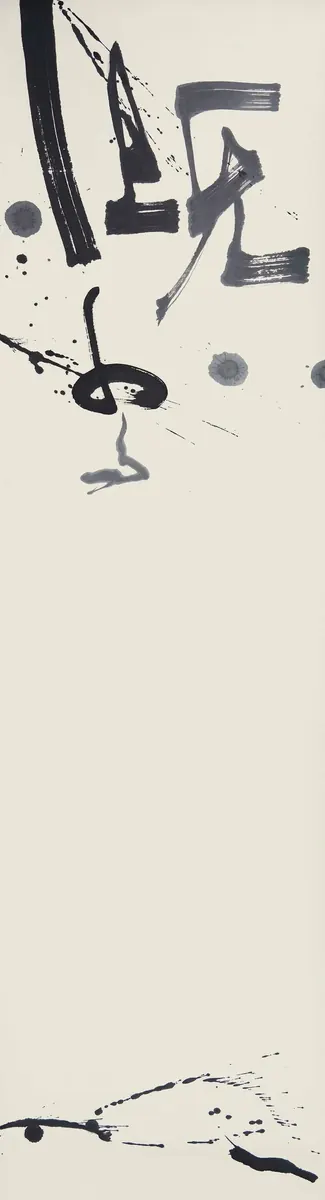
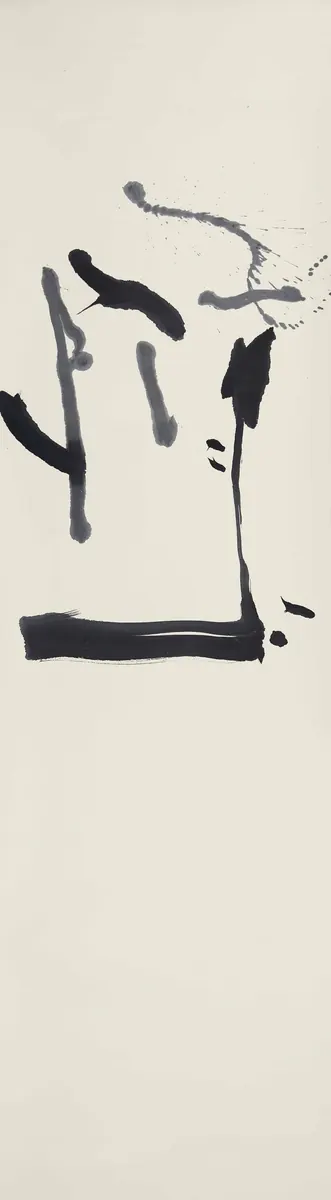
希伯來文和平"שלום"
(陽)200×500cm

希伯來文和平"שלום"
(陰)200×500cm

俄文和平"МИР"
(陽)200×500cm

俄文和平"МИР"
(陰)200×500cm

阿拉伯文愛"حب"
200×500cm

法文和平"PAIX"
200×500cm


2017


2013
龍


十二生肖


2006


2000


1995


曹操「短歌行」