彩色易經64卦
中國人自稱爲龍的傳人,一說到龍的傳人,我們就會很自豪,很自負,甚至很激動,那到底龍的傳人代表什麽呢?龍是十二生肖裏唯一不存在的想象出來的吉祥物。雲霧飄渺,若隱若現。飛天遁地,育化萬物。具體是龍孕育了中國文化,還是中國文化孕育了龍呢,就好像雞跟雞蛋的關繫,說不清楚。龍是中國人在其獨特背景下對天地人關繫總結的具體表現。中國人相信人有无限上升的空間,所以夢龍便可以成龍,從這一方面來說,龍文化就是就是夢文化。龍既能在天上翻騰,也能平凡的活在世上,飛龍在天是爲了拯救世界,潛龍勿用是因爲天下太平,有需要的時候可以彰顯於世,不需要的時候也能平凡的过日子,能當神靈也能當普通人。
幾千年前,古人仰观於天,俯察於地,發現宇宙萬物的變化是有一定規律的,就創作了《易經》。如果文藝複興要通过研究古籍來重新發掘古代智慧的話,第一本要研究的經典肯定就是《易經》。
古代一般的農民,因爲文化水平不高,對《易經》也不甚了了,《易經》就被一部分小人利用,變成了風水占卦,充滿迷信色彩的書。其實,《易經》是告訴我們如何面對自然環境及人生的種種變化,它每一卦裏都必須具備上面的天、下面的地、中間的人這三方面的因素,天就是自然,地就是環境,人就是自己,所有變化都是三方面互動的結果,64卦就是古人相信人生大概有64種不同的處境,我們應該怎麽樣去面對,怎麽樣去克服改變。
卦裏面很多時候說"吉"跟"凶",其實這兩個字在今天可能不適用,我認爲"吉"等於"通","凶"等於"變",能"變"就會"通",這樣意譯更富有科學及時代感。因爲《易經》的卦象裏說的"吉"往往是通向"凶"的門,而"凶"又往往是通向"吉"的路。
不管卦象是怎樣,《易經》教育我們最重要的人生態度是"順天合人,无往不吉"。只要我們做順乎自然,合乎人意(環境)的事情,不管處境怎麽困難,也不需要害怕。我不是一個學者,我是一名藝術工作者,在我創作書法"龍"計劃的过程時不斷衍生出對《易經》的種種看法,所以創作出"龍的孵化器"這件裝置作品,用"順天合人,无往不吉"這個观念來爲64卦鋪上色彩,這大概也可以看成是龍文化"孵化"出來的新生命吧!
The Chinese claim themselves as the heirs of the dragon, and we are very proud, arrogant and even emotional when we say so. But what does "heirs of the dragon" mean? The dragon is the only imaginative creature in the Chinese zodiac signs. It is, just like the relationship between chicken and egg. It is difficult to tell whether the dragon has nurtured the Chinese culture or vice versa. The Dragon is the Chinese interpretation of the heaven-earth-men relationships in their unique backgrounds. The Chinese believe that men have the potential to take off without limits, and so people can become dragons when they dream of being dragons. In this sense, the culture of dragon is the culture of dreams. A dragon can fly high in the sky, and can also live modestly on earth. The dragon flies when it needs to save the world; and it lives humbly when peace is on earth. It can hide itself in the deep when it is not needed by the world; it can also show up when people need it. It can be god-like or human-like. It gleams in the misty clouds. It flies and dives, nurturing all things on earth.
Several thousand years ago, people observed the sky and the earth. They found that every change in the universe was within a set of rules, and the I-Ching was hence written. If the Chinese Renaissance needs to rediscover the ancient wisdom by means of the study of ancient books, I-Ching must be the first book people should read.
Farmers in the ancient time were not educated and knew little about I-Ching, and so the book was used as a superstitious tool of Feng Shui and divination. In fact, I-Ching teaches us how to encounter the changes in nature and our lives. Each of the 64 hexagrams of I-Ching includes the notions of heaven at the top, earth in the middle and men at the bottom. All changes are related to the different interactions among these three elements. The ancient people believed that there are 64 situations in our lives that we need to face, and therefore there are 64 hexagrams in I-Ching.
There are often comments about "good fortune" and "misfortune" in the hexagrams. In fact, these two comments may not be applicable nowadays. To me, "good fortune" means "success" while "misfortune" means "flexibility". If we are flexible, we will succeed. This interpretation is more scientific and may better fit the modern era.
Regardless of the hexagrams, I-Ching teaches us that the most important attitude is "to comply with heaven and conform to men, one will not suffer misfortune".
I am not a scholar, I am an artist. I use arts to illustrate the notion of "complying with heaven and conforming to men" and to interpret the 64 hexagrams of I-Ching. May it be seen as a new life hatched by the culture of the dragon.
































































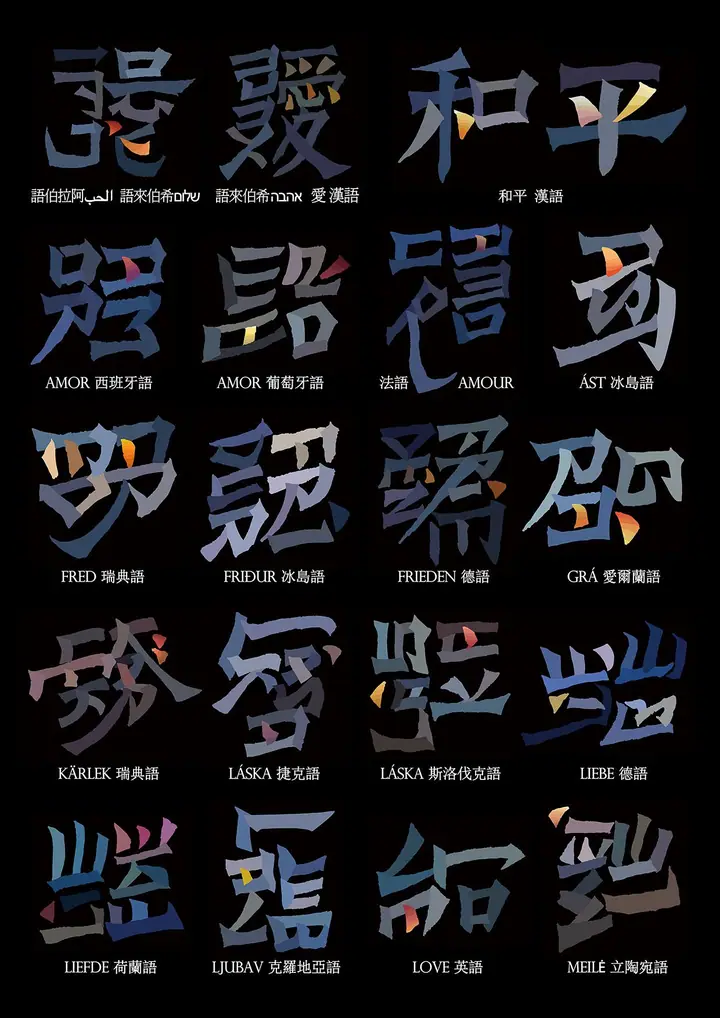
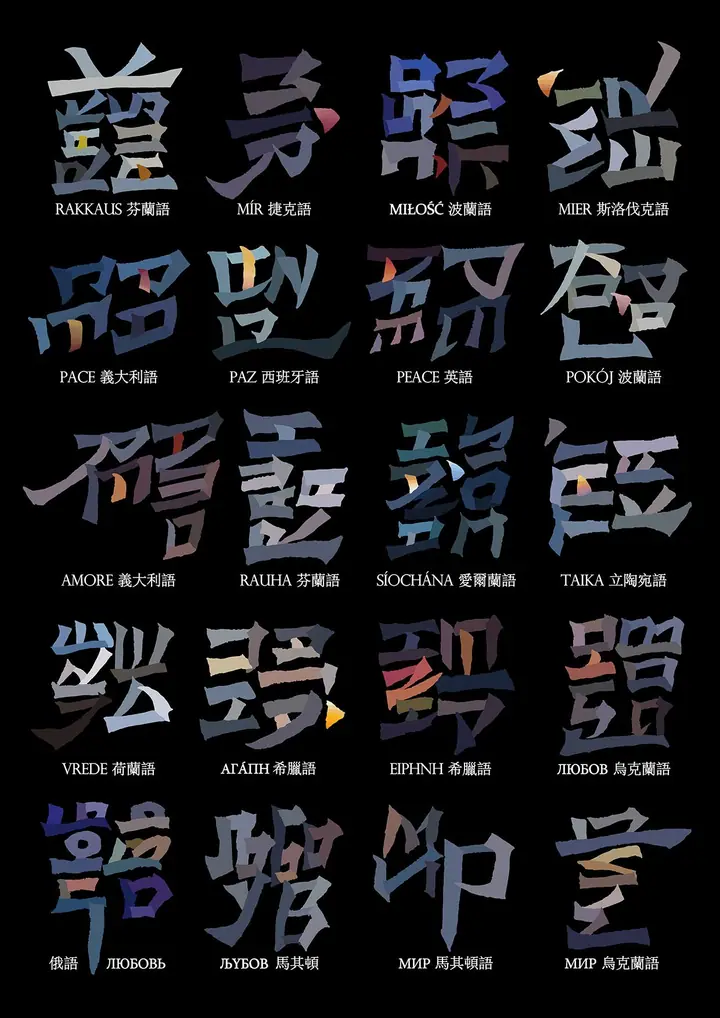
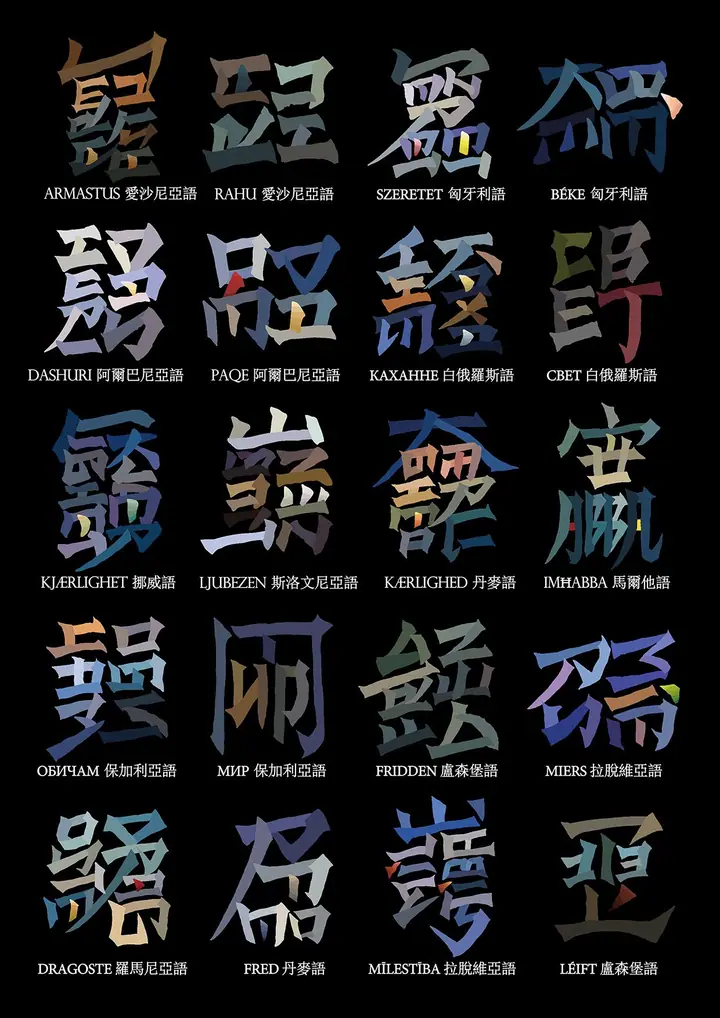
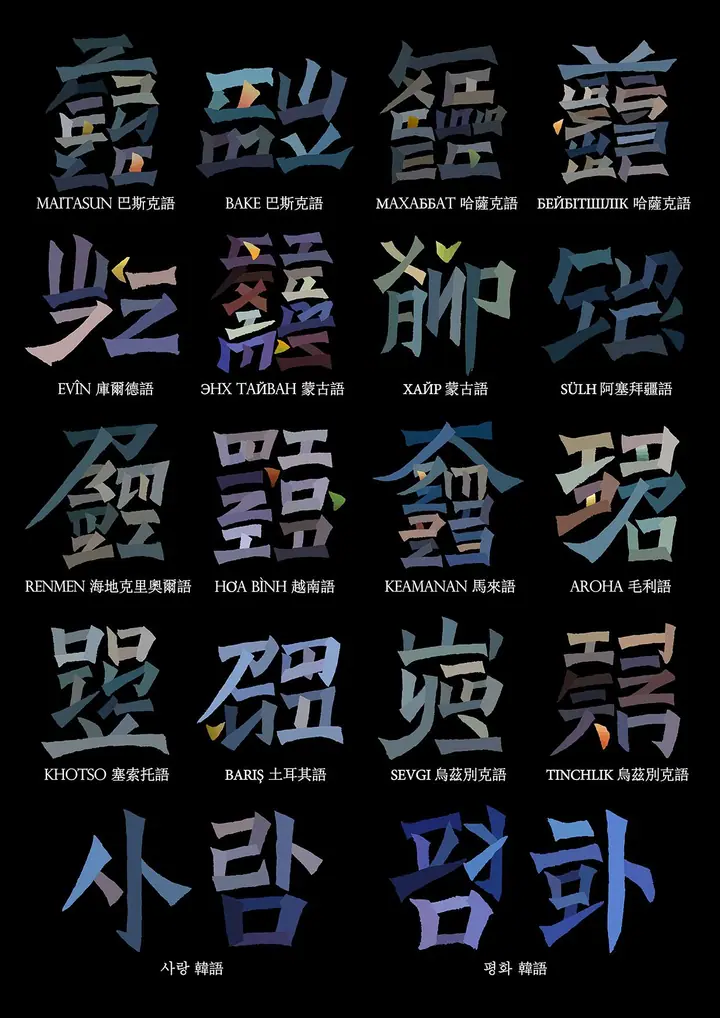
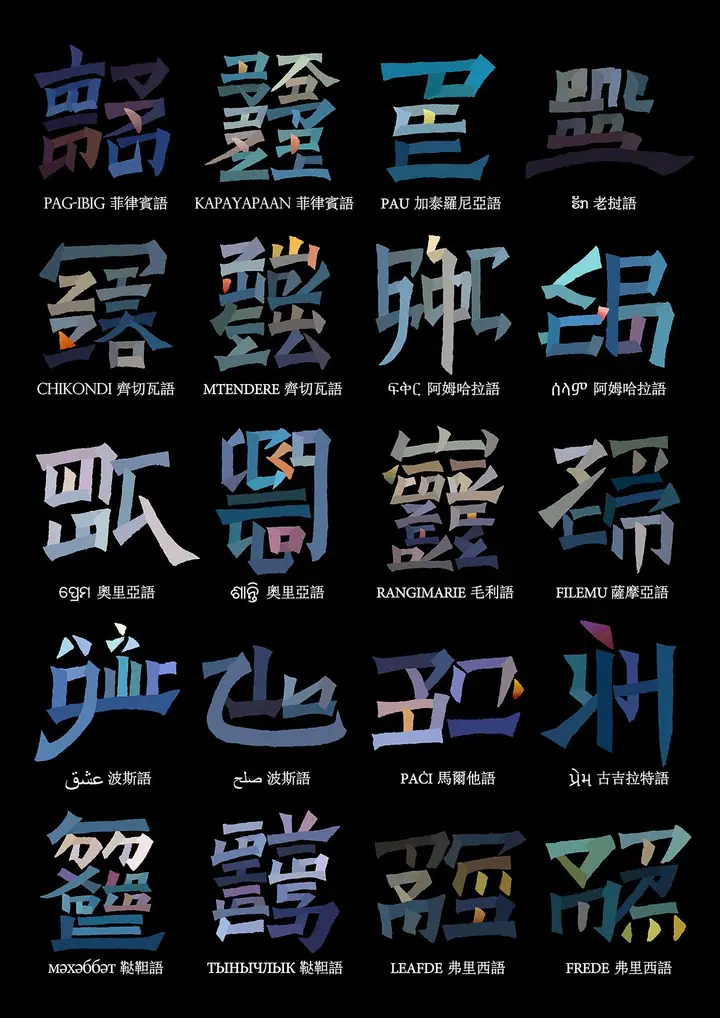
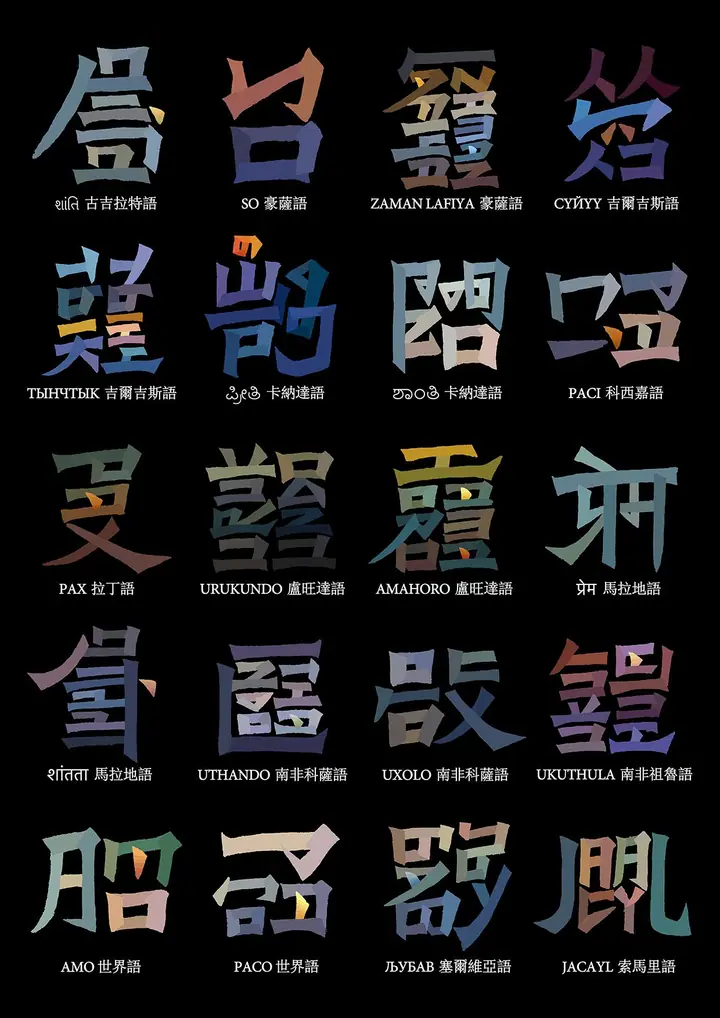
多國語言-愛與和平
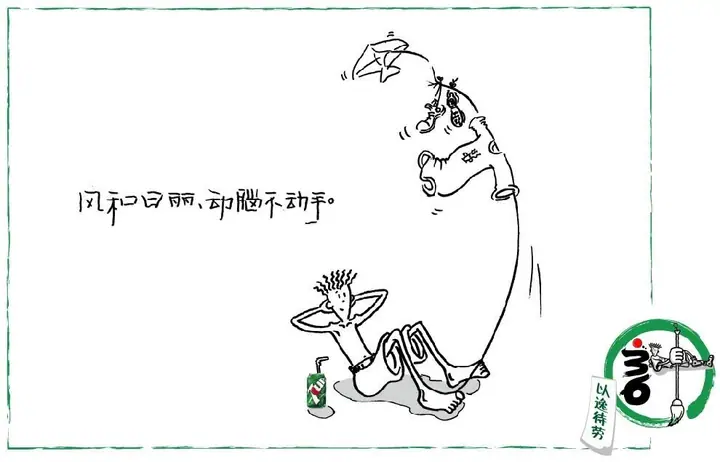
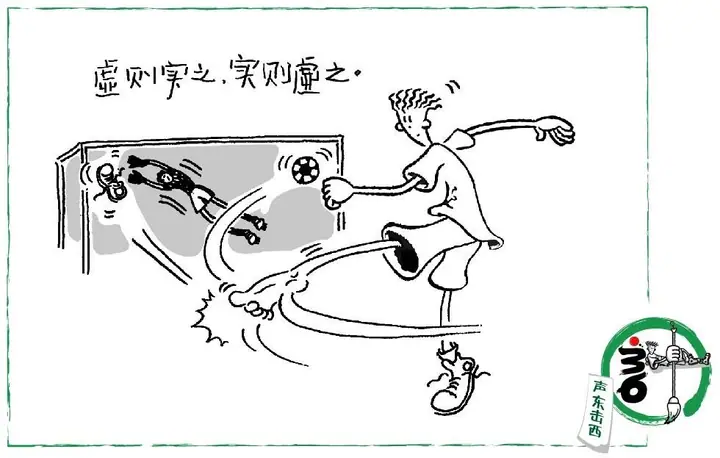
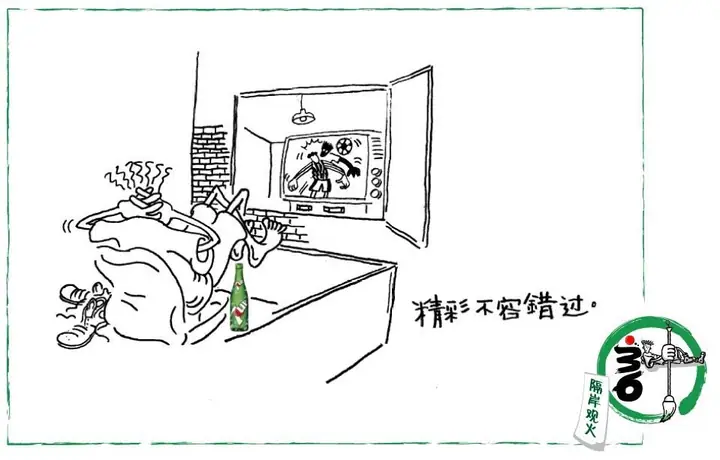
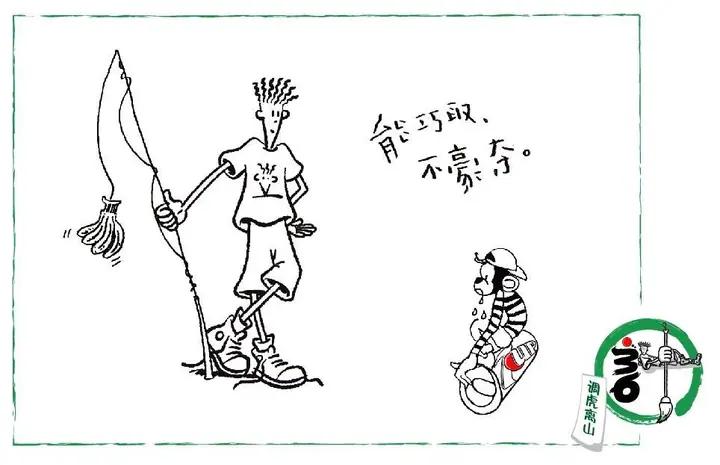
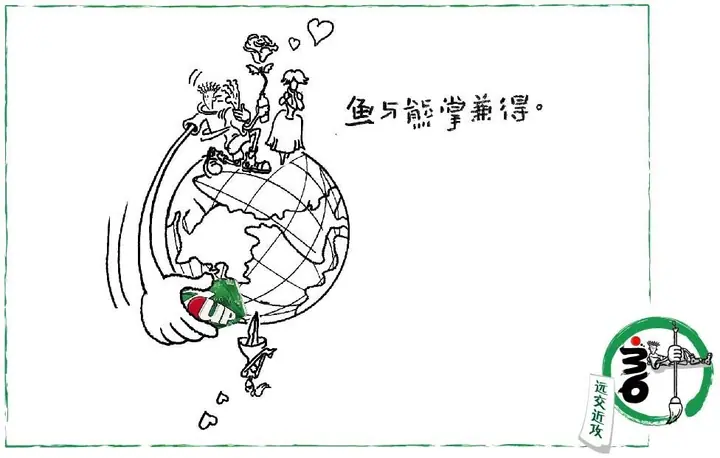
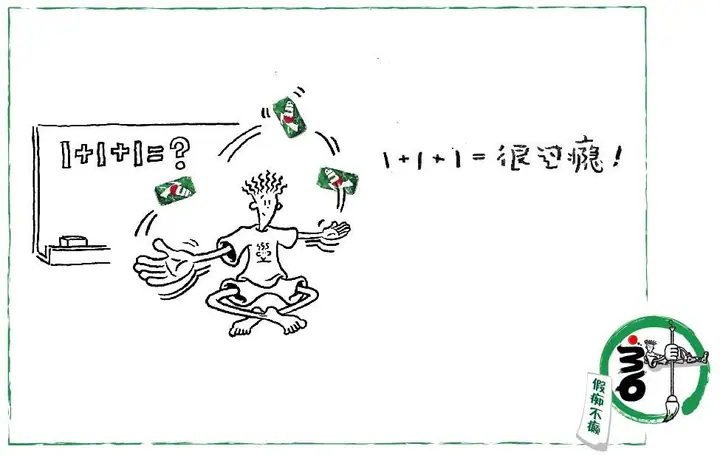
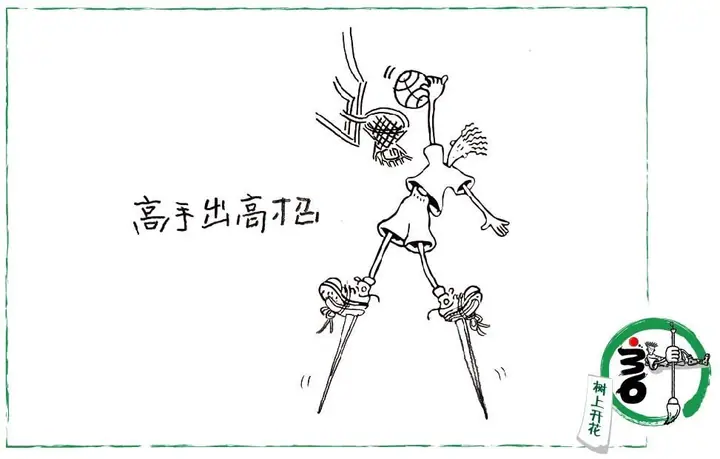
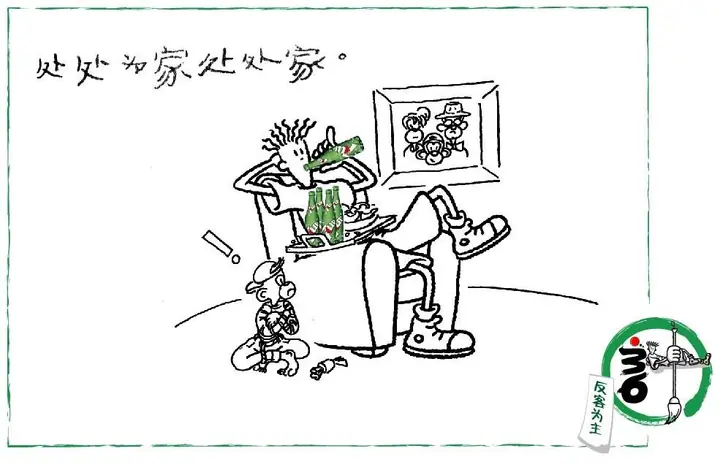
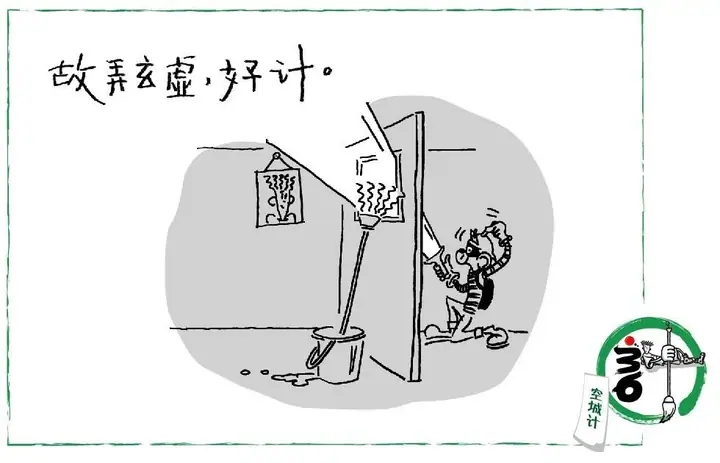
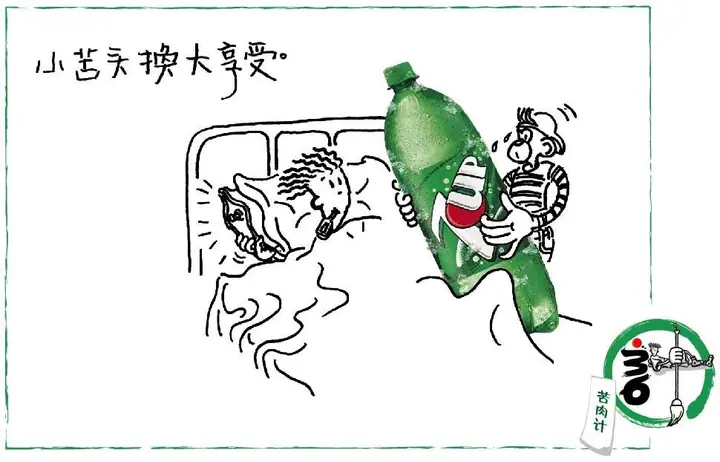
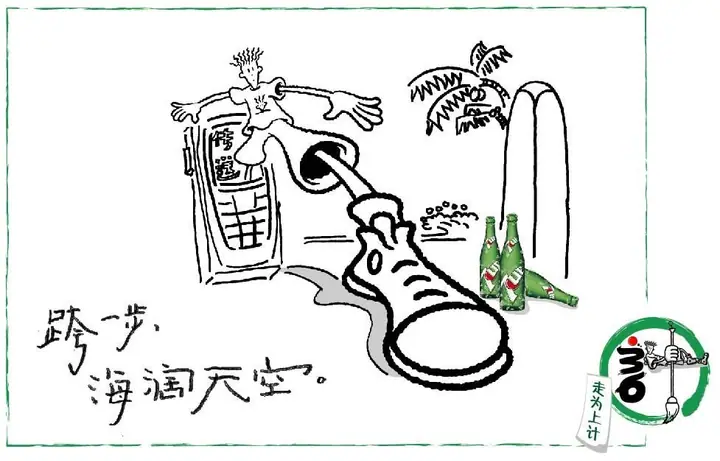
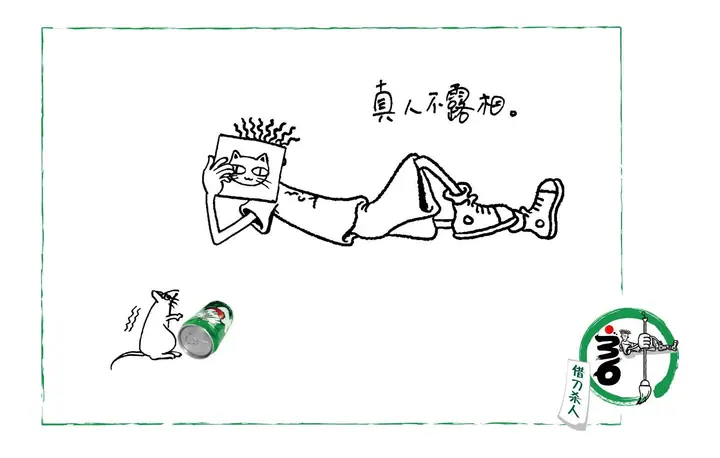
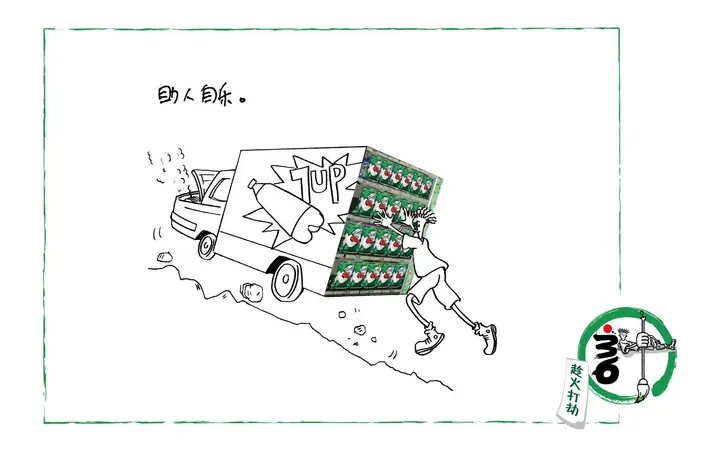
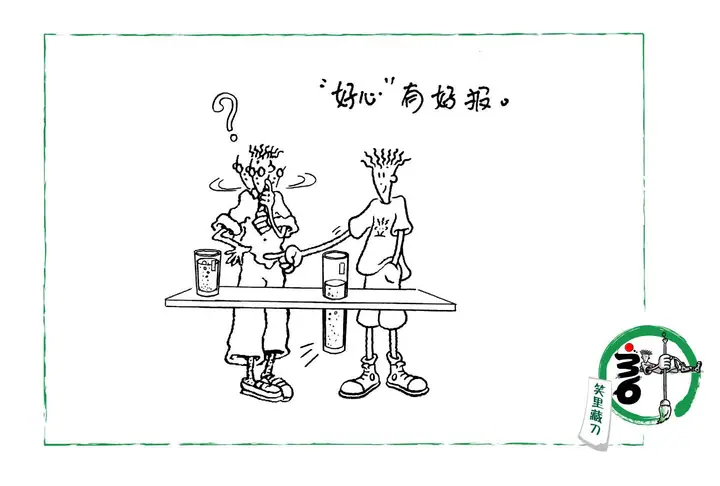
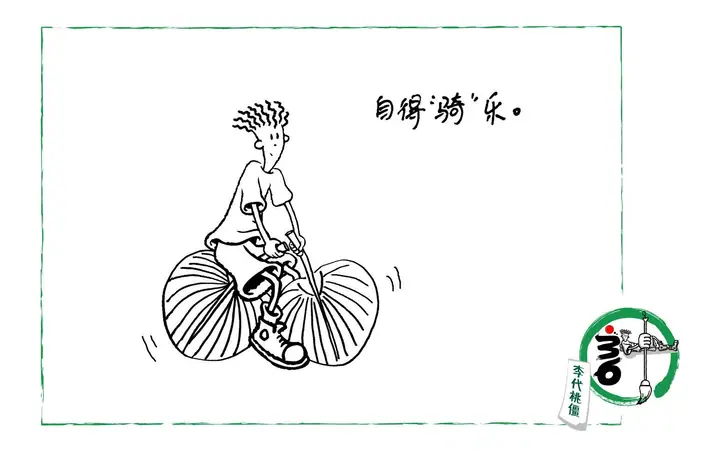
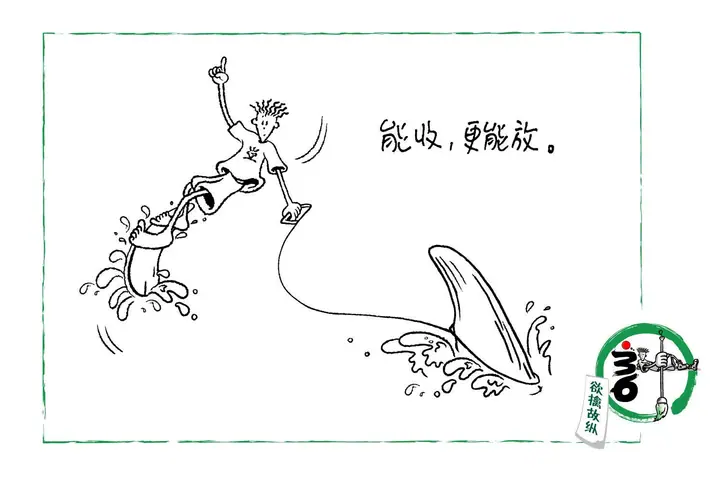
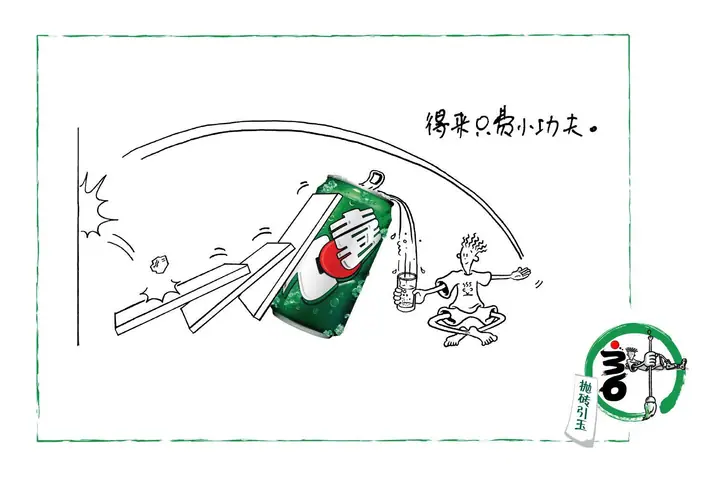
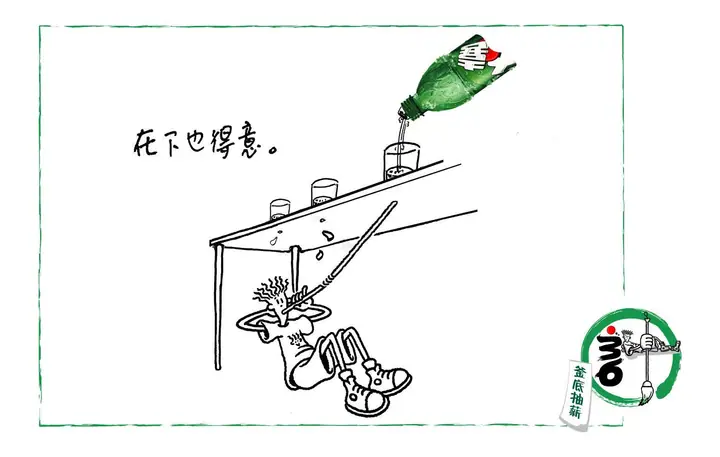
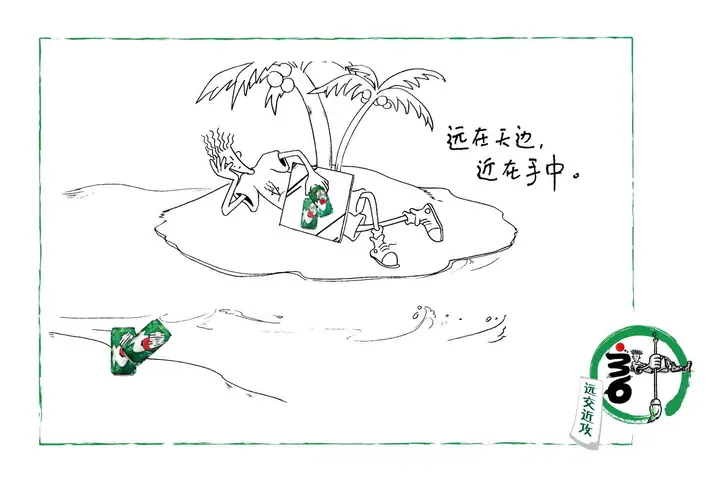
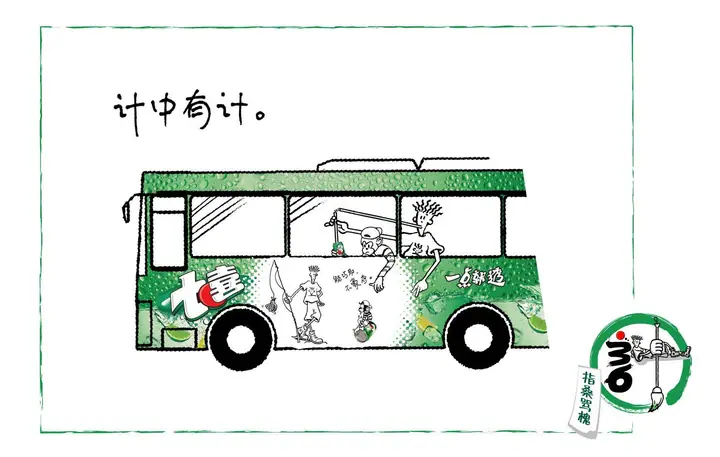
2005, 為七喜推出Fido Dido 創作36計(內容及造型)
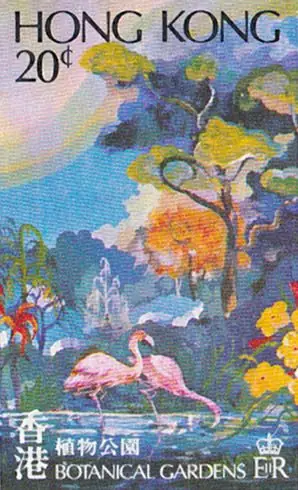
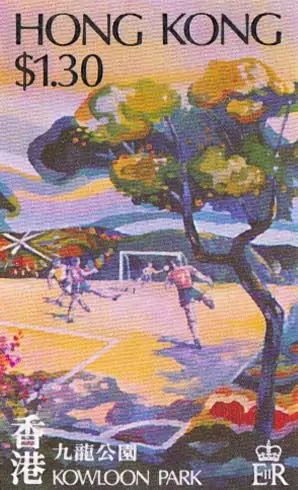
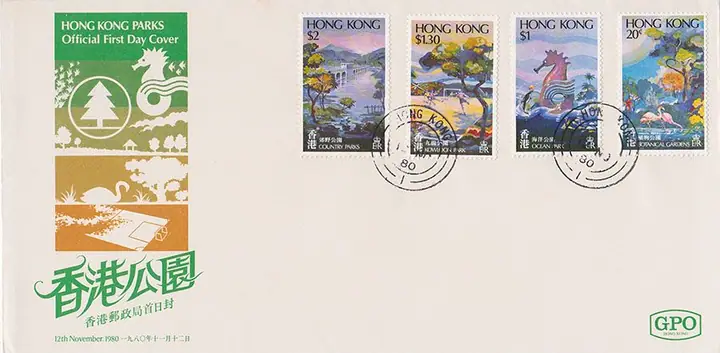
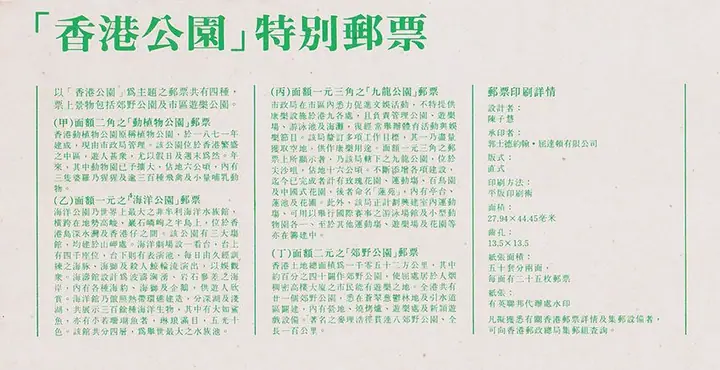
1980, 香港公園郵票